

Automatic parking control with ALPR and LPR cameras
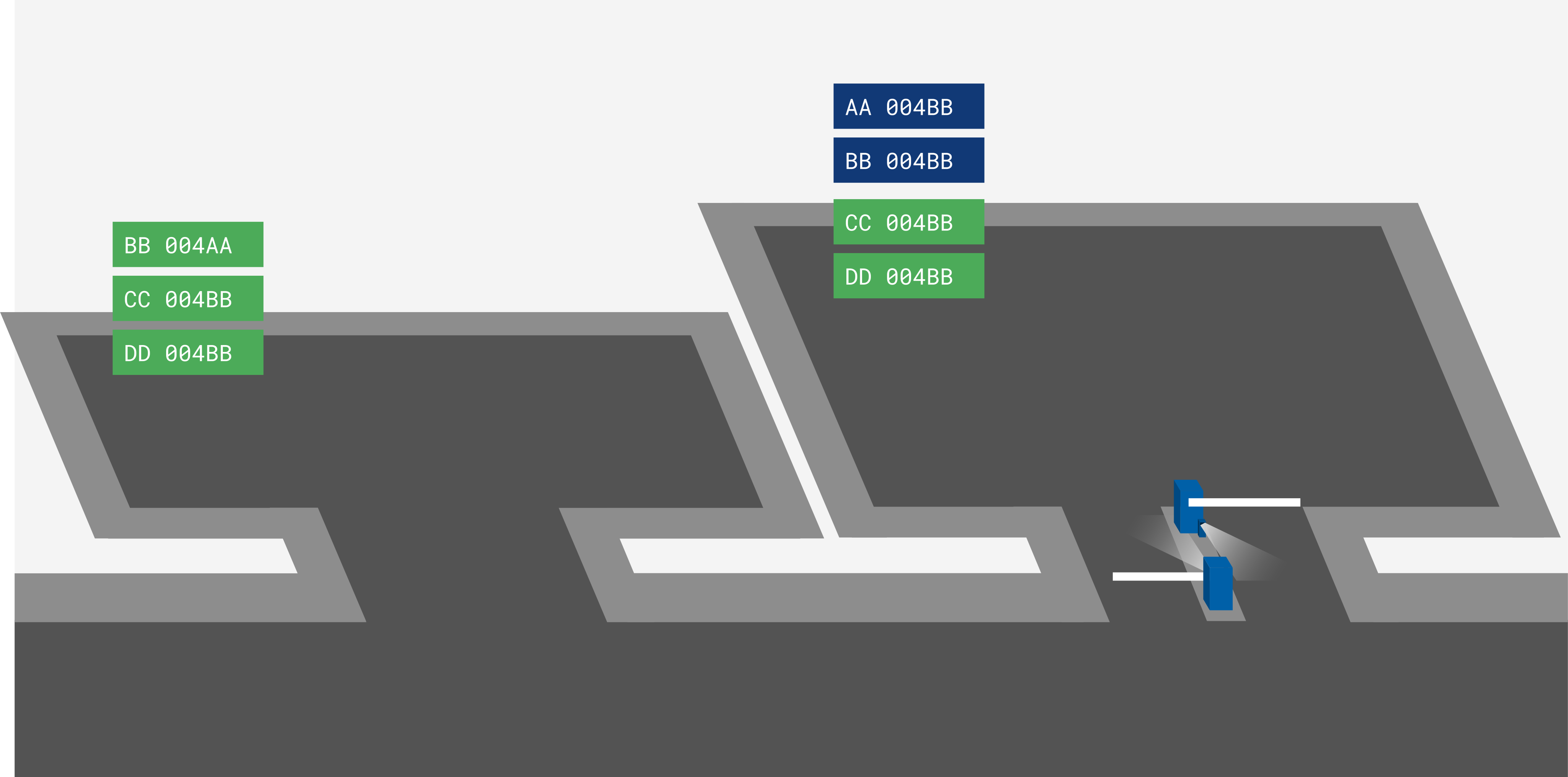
Supa Parking can integrate ALPR or LPR systems to automate parking-permit control through licence-plate recognition. The camera detects the vehicle number and the system compares it with authorisations active for the relevant area and period.
What does ALPR parking control mean?
ALPR, Automatic Licence Plate Recognition, and LPR, Licence Plate Recognition, refer to technologies that capture a plate image and convert it into data that software can use. In parking, this data can be compared with registered permits, subscriptions or other authorisations.
The camera performs the reading; Supa Parking manages information about permit validity. Recognition performance therefore depends on the hardware, positioning, operating conditions and chosen ALPR system.
How is the integration with Supa Parking carried out?
A typical flow includes:
- the camera or ALPR system detects a plate;
- the data is transmitted through a compatible interface;
- Supa Parking checks the associated authorisations;
- the system returns or records the result expected by the integration;
- the operator handles any cases requiring review according to their process.
APIs, response times, exchanged data and available actions depend on the ALPR supplier's interfaces and the configuration agreed with the operator.
Control of gates, access points and parking areas
Automatic recognition can be used in different contexts: car-park entrances and exits, barrier-controlled access, private areas or on-street parking controls carried out with compatible equipment.
At a gate, the result can contribute to the access-authorisation process. In on-street control, detected plates can be compared with active permits to highlight cases requiring operator review. Actual functions vary according to the hardware and integration.
Checks based on area and validity
A simple list of plates does not necessarily account for all parking rules. Supa Parking links the plate to the permit, tariff, area and validity period. The control can therefore distinguish an expired authorisation, one that is not yet active or one valid only in another area.
Updates made by offices or the self-service portal remain in the central platform and become available to the control process without manually distributing new lists.
ALPR privacy and data retention
An ALPR project must define purposes, legal basis, roles, access rights, retention periods and information for data subjects. Supa Parking can restrict access through roles and permissions, but the data controller must configure the complete process according to its assessments and applicable obligations.
FAQ
Are ALPR and LPR the same thing?
Both terms describe automatic licence-plate recognition. ALPR emphasises process automation, while LPR is a more general designation.
Does Supa Parking include the cameras?
Not necessarily. Supa Parking is the management and verification platform; cameras and the reading system are selected and configured according to the operator's project.
Does the system work with any ALPR camera?
Compatibility depends on the APIs, protocols and data provided by the ALPR system. Each integration must be technically verified.
Does an ALPR result automatically generate a penalty?
Not implicitly. The comparison indicates the authorisation status; any formal assessment follows the tools, checks and procedures defined by the competent authority.
Explore how it fits your parking operation
Tell us about your parking zones, permits and processes. We can help identify the features that fit your project.
Request a demo