

Parking interoperability: connecting meters, apps, permits and checks
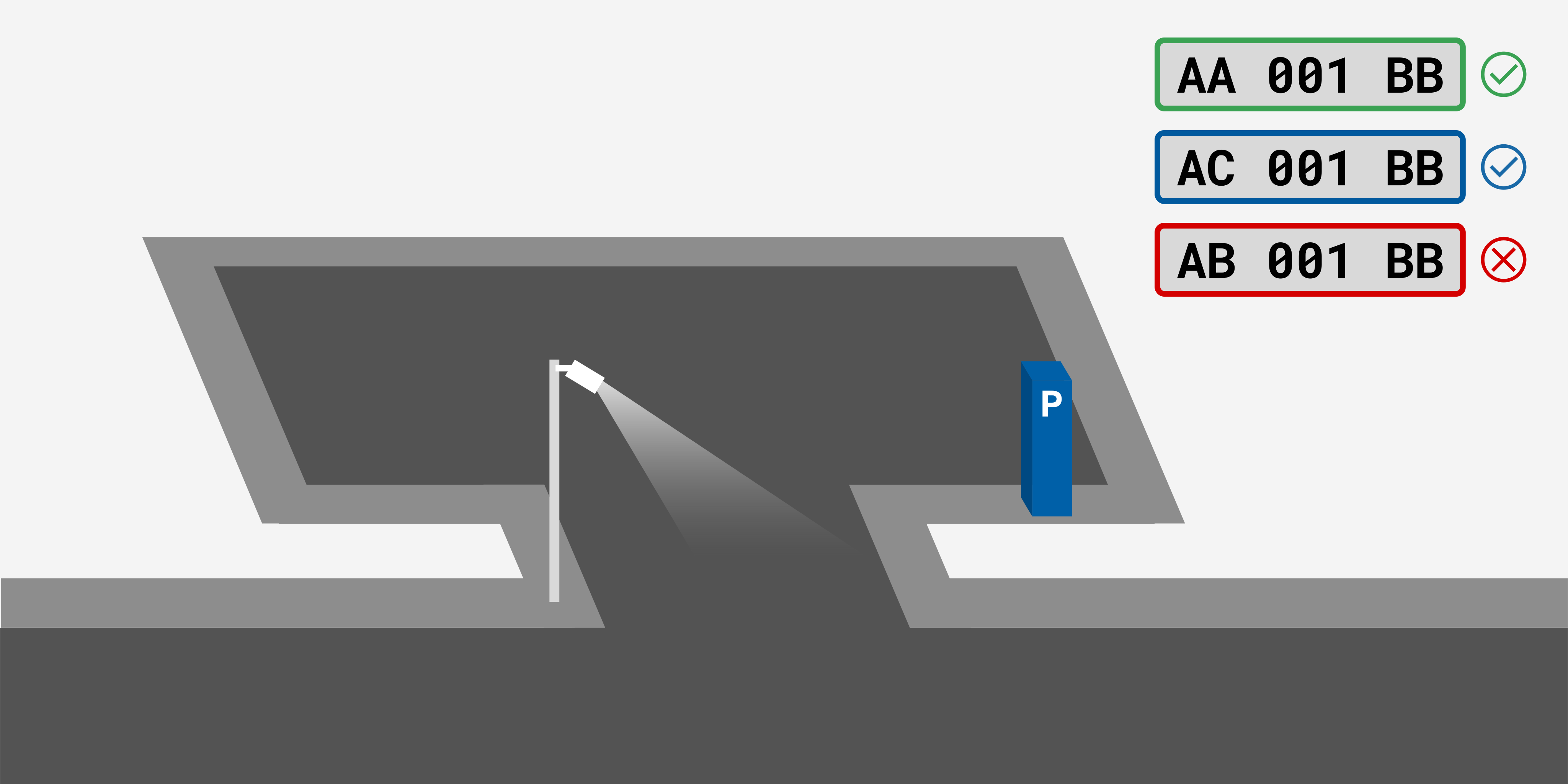
Parking interoperability lets different systems exchange information that can be used in everyday work. Supa Parking combines central management of permits, plates, zones and tariffs with the ability to integrate meters, payments and checks through compatible interfaces, assessed with the providers involved.
Management platform and middleware: what is the difference?
A management platform maintains operational rules and records and lets people work on applications, permits and checks. Interoperability middleware mainly exchanges data between independent applications, translating formats or forwarding information.
Supa Parking acts as a central management platform and offers integration options. “Parking interoperability and integrated management platform” describes this combined role when a project includes external connections. Read the integrated parking platform guide for benefits and everyday workflows.
Understanding Italian parking technology terms
- Piattaforma integrata di gestione della sosta: brings functions, records and workflows together.
- Sistema integrato di gestione della sosta: emphasises coordinated software and service components.
- Piattaforma di interoperabilità per la sosta: focuses on exchanging data between systems.
- Sistema di centralizzazione della sosta: emphasises collecting and consulting information centrally.
- Middleware per la gestione della sosta: describes the connection layer between applications and databases.
- Centrale di controllo della sosta: describes central supervision and operational work; specific functions still need to be defined.
For an Italian project description, Supa Parking can be described as a software platform for integration, interoperability and central management of municipal parking systems, with required functions and connections listed separately.
Which systems can be connected?
Connections to assess include meters and payment terminals, parking payment apps, municipal portals, payment systems such as pagoPA, local enforcement tools and automatic plate readers. Availability depends on APIs, protocols, supplied data and agreements between the parties involved.
If a municipality uses EasyPark, Telepass or MooneyGo, the app name is a starting point for assessment. It does not establish that a Supa Parking connector is already available. Confirm the connection and supported operations with the provider. The same applies to municipal software and databases.
How data exchange works
- Identify the system holding the original record, such as a session purchased at a meter.
- Agree the required fields: plate, area or zone, tariff, start, end and record identifier.
- Transfer data through a compatible interface, mapping zones, tariffs and identifiers correctly.
- Make the information available to the intended workflow, such as a plate-based parking check.
- Define updates, extensions, cancellations, duplicate handling and behaviour when information is missing or outdated.
For example, a paid meter session can be consulted during a check if the connection supplies the required information. Test extensions, cancellations and a temporarily unavailable connection as well. Read about plate-based short-stay parking.
ANPR: number-plate recognition and Italy's resident registry
In camera systems, ANPR means automatic number-plate recognition, also referred to as LPR or ALPR. In Italian public administration, ANPR is the Anagrafe Nazionale della Popolazione Residente, the national resident registry.
A camera connection does not imply access to resident records. Any registry integration for checking resident eligibility must be assessed separately with the authority, based on available services and required permissions. The acronym alone does not establish that a registry connection is included. For cameras, see plate checks and ANPR/LPR.
Preparing an integration project
List providers, system versions and interface documentation. For each flow, identify the original source, recipient, necessary updates and who handles errors. Define access roles, the data needed for the process and acceptance checks before launch.
A demonstration should follow a record from creation or modification in the source system to consultation in the receiving system. This makes operational continuity part of the assessment alongside connectivity.
FAQ
Is Supa Parking parking middleware?
Supa Parking directly manages permits, zones, tariffs and operational tasks. It can also exchange information with external systems, combining central management and integration within the project's scope.
Are all payment apps and meters already connected?
Compatibility must be confirmed for each provider and model. The existence of an API alone does not guarantee that the connection supports all required operations.
Are updates always real time?
Frequency depends on the source system and connection. Agree an acceptable delay and how checks should flag missing or outdated information.
Does ANPR mean Supa Parking can access Italy's resident registry?
No. ANPR can refer to plate recognition or Italy's national resident registry. A registry connection is a separate integration that must be assessed and defined with the authority.
Explore how it fits your parking operation
Tell us about your parking zones, permits and processes. We can help identify the features that fit your project.
Request a demo