

Mobile control or ALPR: which system should parking operators choose?
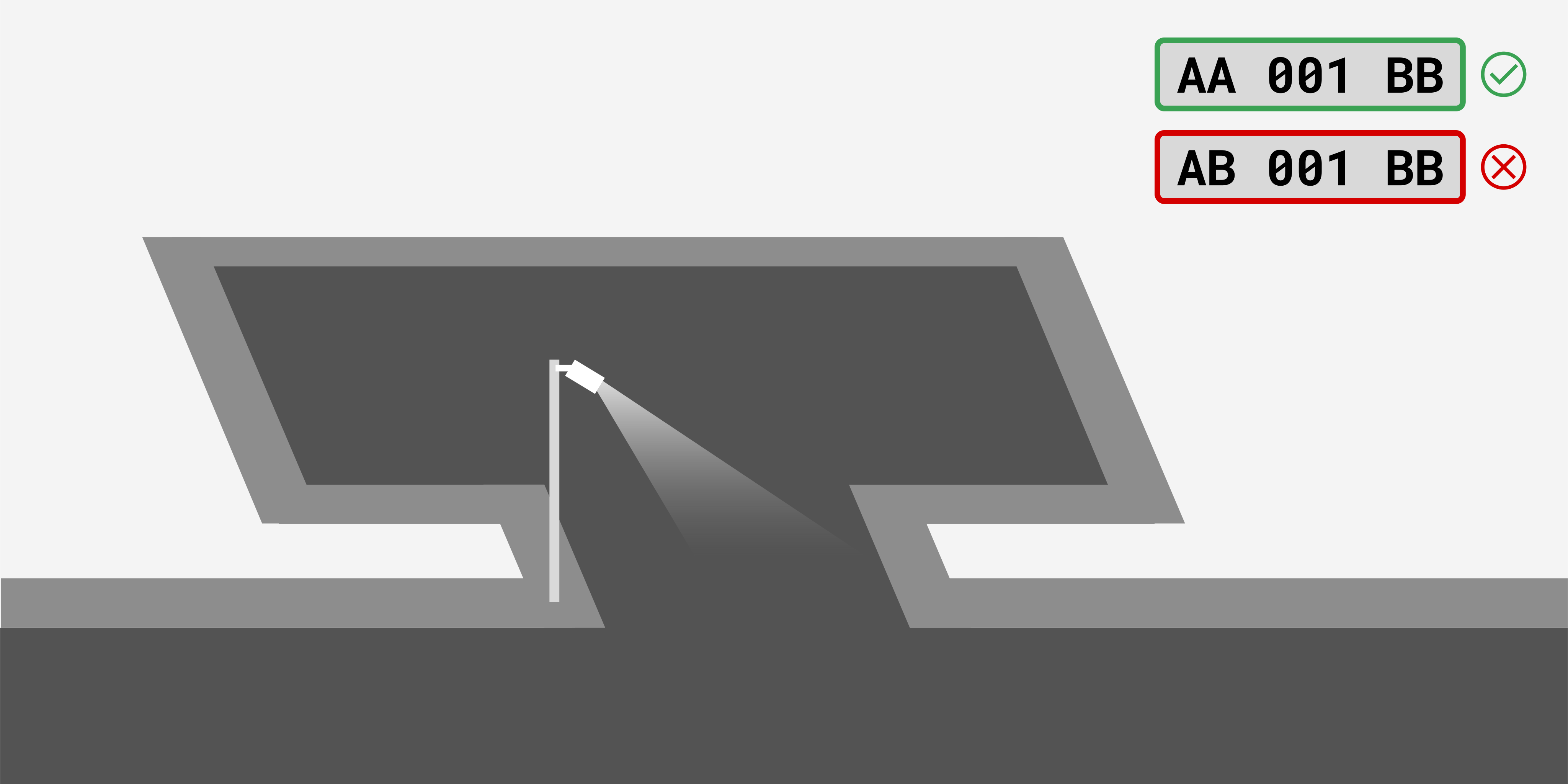
Mobile and ALPR control both verify permits through the licence plate, but they address different needs. The web app is suited to targeted checks performed by an operator; ALPR automates the reading of many plates through compatible cameras. Supa Parking can support both models using the same authorisation database.
On-street mobile control
With mobile control, the operator enters the plate on a smartphone or tablet and receives the result in real time. The process requires human intervention for each check, but allows staff to assess the context directly and investigate only the necessary cases.
This solution is suitable when the number of checks is manageable, areas are distributed across the territory or the municipality wants to digitise the service without installing camera infrastructure.
Automatic control with ALPR
With ALPR control, a camera reads the plate and sends it to the verification process. It is useful for gates, entrances, exits or higher flows where manual entry would be slow.
ALPR requires hardware, connectivity, compatible interfaces and careful planning of positioning, reading quality and data protection. Not all cameras expose the same functions or protocols.
Comparing mobile app and ALPR
Mobile app
- uses authorised smartphones or tablets;
- does not require dedicated cameras;
- involves a check initiated by the operator;
- is flexible for mobile on-street checks;
- keeps staff in the decision-making process.
ALPR system
- captures plates automatically;
- requires hardware and technical integration;
- is suitable for continuous flows or defined access points;
- can preselect cases for further review;
- requires specific organisational and privacy assessments.
A hybrid model for parking management
The two methods are not mutually exclusive. An operator can use ALPR cameras at gates or high-traffic areas and retain mobile control for on-street zones, occasional checks and doubtful cases.
Supa Parking centralises permits, plates, areas and validity, giving both channels the same source of information. This avoids maintaining one list for cameras and a different archive for operators.
Which solution should be chosen?
The choice depends on vehicle volume, area layout, network coverage, available devices, budget, the authority's procedures and data-protection requirements. Before implementation, it is useful to define where checks take place, who must act on the result and which systems need to exchange information.
FAQ
Does mobile control require cameras?
No. The operator can enter the plate directly in the web app from a smartphone or tablet.
Does ALPR completely replace operators?
Not necessarily. It automates reading and comparison, while uncertain cases and subsequent activities may require human review.
Can both methods be used?
Yes. A hybrid model can combine ALPR at high-flow points with mobile control in on-street areas.
Do the two systems use the same permits?
Yes. When integrated with Supa Parking, both can check the central database of valid plates, areas and authorisations.
Explore how it fits your parking operation
Tell us about your parking zones, permits and processes. We can help identify the features that fit your project.
Request a demo